
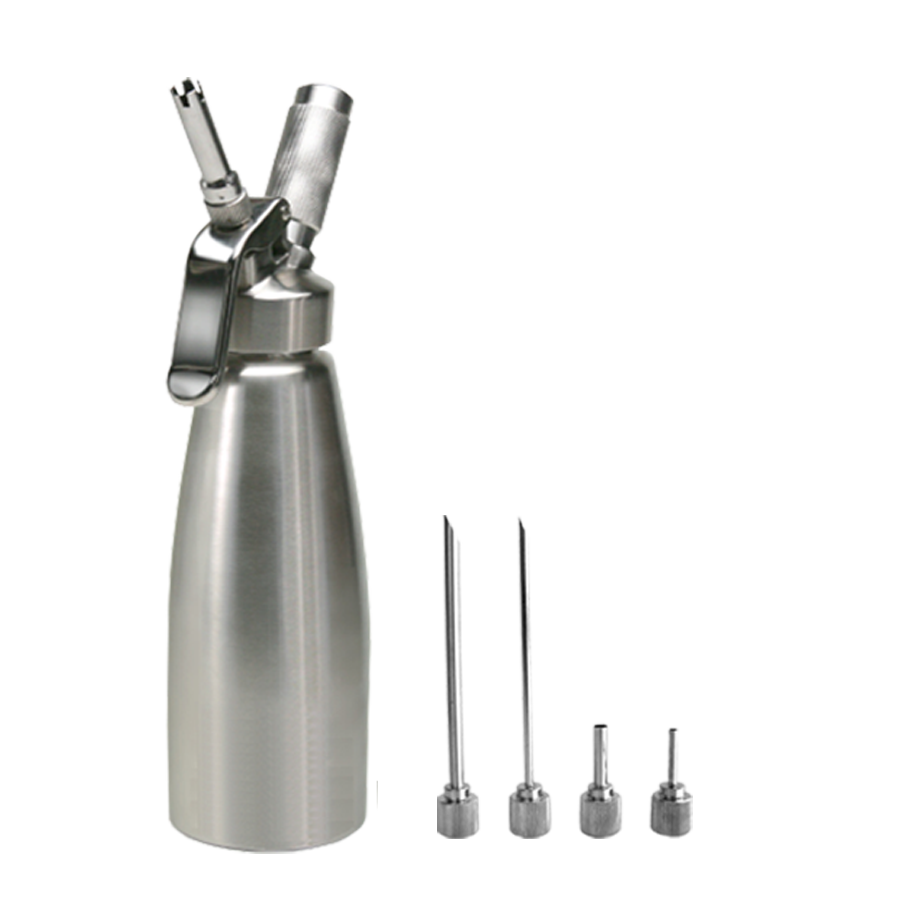
If you’ve ever looked at a nitrous oxide tank and thought, “It’s just gas—why wouldn’t this work with my cream dispenser?” you’re definitely not alone. A lot of people assume that if a dispenser works with small cream chargers, it should work with a tank too. In real life, it’s not that simple.
The truth is, not every whipped cream dispenser is built for a nitrous oxide tank canada, and trying to force it can lead to frustration, poor results, or even safety issues. Let’s talk about why.
Dispensers Are Designed with a Specific Pressure in Mind
Most home whipped cream dispensers are designed around one thing: small 8g cream chargers. These chargers release a fixed amount of gas at a controlled pressure. A nitrous oxide tank, on the other hand, is a completely different system. It delivers gas continuously and can reach much higher pressure levels.
Some dispensers are built stronger and can handle that kind of pressure with the right setup. Others simply aren’t. Using a tank with a dispenser that wasn’t designed for it can stress internal parts, wear out seals faster, or cause leaks. Just because something connects doesn’t mean it’s meant to be used that way.
The Connection Isn’t Always Compatible
One of the most common misunderstandings is thinking that all cream dispensers have the same connection type. Many standard dispensers are made to pierce a single-use charger internally. They don’t have a proper inlet for a hose or regulator, which is what a nitrous oxide tank requires.
Even if you find an adapter online, that doesn’t guarantee a good or safe fit. A loose or poorly matched connection can leak gas, cause uneven pressure, or make the dispenser hard to control. In a home kitchen, that’s the last thing you want
Seals and O-Rings Matter More Than You Think
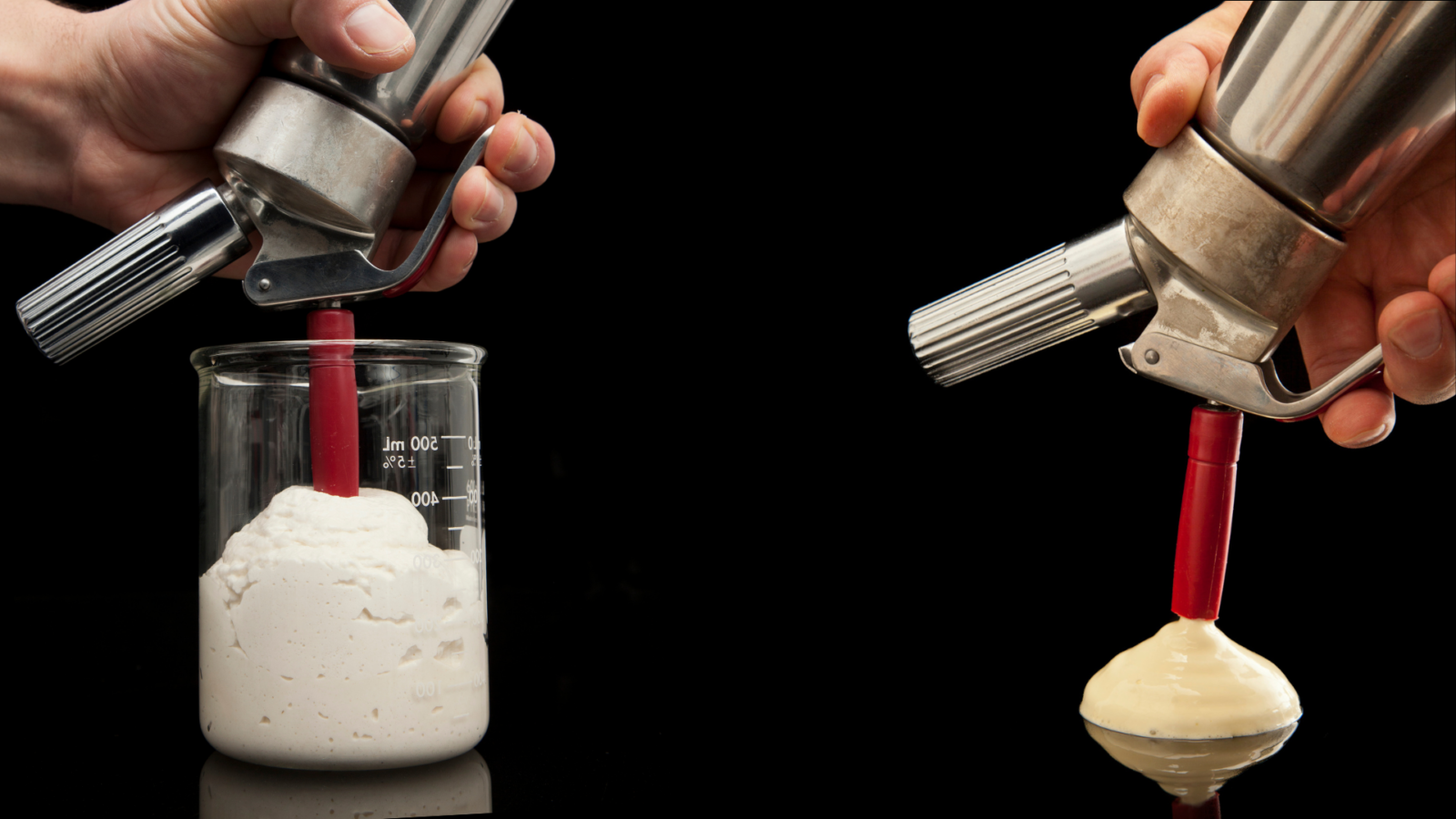
Inside every whipped cream dispenser are small rubber seals and O-rings that keep the pressure where it belongs. Dispensers made only for cartridges usually use softer seals, because the pressure is brief and limited.
With a tank, pressure can be constant and sustained. Over time, those softer seals can wear out, dry out, or fail completely. That’s often when people notice hissing sounds, weak whipped cream, or gas escaping for no clear reason. It’s not user error—it’s a mismatch between the dispenser and the gas source.
Control Is a Big Difference
With a cream charger, the gas is released all at once. With a tank, control matters. Tanks are typically used with regulators to manage how much gas flows into the dispenser. Not every whipped cream dispenser is designed to handle that kind of controlled input.
Without proper control, it’s easy to over-gas the cream, making it dense, foamy, or unstable. That’s why some people try a tank once, get terrible results, and assume tanks “don’t work.” In reality, it’s the dispenser that isn’t compatible.
Home Use vs. Heavy Use
For someone who makes whipped cream occasionally at home, a standard dispenser and 8g chargers are often enough. But if you’re making whipped cream frequently—hosting brunch, running a small café, or doing weekend baking marathons—a tank starts to make sense.
That’s also where compatibility really matters. Dispensers designed for heavier use are usually reinforced, better sealed, and made to work with tank systems. Regular home dispensers simply weren’t built for that level of demand.
How to Know If Your Dispenser Is Compatible?
The easiest answer is to check what reminded you of the manufacturer recommendations. If a dispenser is advertised as compatible with nitrous oxide tanks or refill systems, that’s a good sign. If it only mentions 8g chargers, it’s safest to assume it’s not tank-ready.
Trying to “hack” a standard dispenser into working with a tank might seem tempting, but in most cases, it leads to more problems than it’s worth.
Nitrous oxide tanks can be incredibly convenient and cost-effective, but only when used with the right equipment. Not every whipped cream dispenser is designed for that setup, and that’s okay. The key is knowing the difference and choosing tools that actually work well together.
When everything is properly matched, making whipped cream feels effortless. When it’s not, it quickly becomes frustrating. A little understanding goes a long way—and saves you from wasting cream, gas, and your patience.